How to Choose the Right Remodeling Contractor: Essential Questions to Ask
Choosing the right remodeling contractor is vital for the completion of any residential renovation project. A large number of homeowners fail to recognize the value of asking the right questions. It's not just about cost; reliability, experience, and communication play important roles. Understanding these factors can help guarantee a smooth process. Still, knowing which questions to ask can be difficult. What should be prioritized when vetting potential contractors? The following are essential points to support the evaluation process.
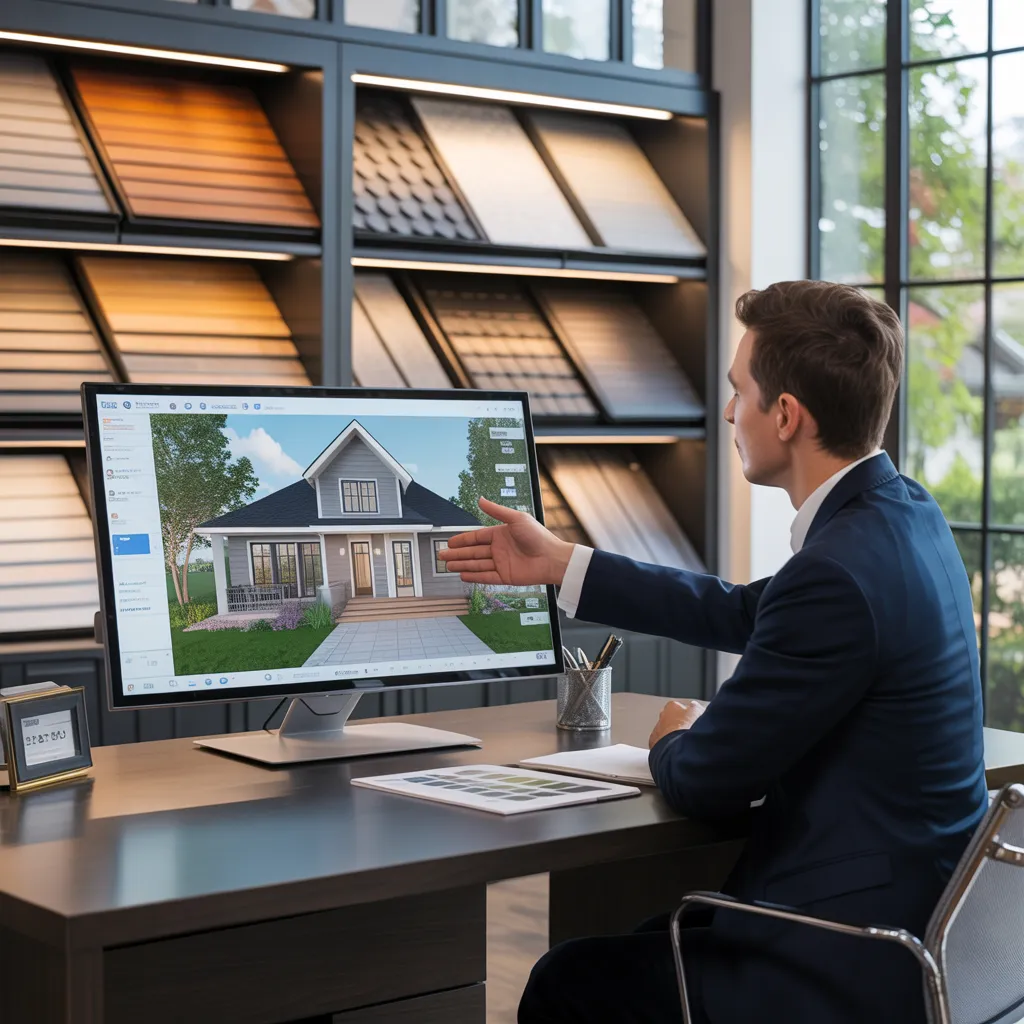
Why Picking the Right Remodeling Contractor Makes a Difference
Selecting the right remodeling professional is crucial, as the outcome of a renovation can greatly impact both the practicality and aesthetic of a property. A qualified contractor ensures that projects are executed efficiently, respecting schedules and budgets. Their expertise can enhance the overall quality of work, creating a environment that fulfills the homeowner's vision and needs.
Additionally, a qualified contractor encourages open communication, handling concerns and delivering updates throughout the renovation process. This level of openness cultivates trust and enables changes as required. In addition, choosing the appropriate contractor decreases the chance of possible complications, such as design flaws or structural problems, which can arise from inadequate expertise. Ultimately, the selection of contractor can influence not only the immediate satisfaction with the renovation but also the prolonged satisfaction and worth of the dwelling, underscoring the significance of a well-informed choice.
What Credentials Should Your Remodeling Contractor Have?
A properly credentialed remodeling contractor should demonstrate a variety of credentials that showcase their skill and dependability. Important qualifications encompass state licenses, which confirm adherence to local regulations and building codes. Additionally, industry certifications from organizations such as the National Association of the Remodeling Industry (NARI) or the National Kitchen & Bath Association (NKBA) signify focused expertise and dedication to professional guidelines.
Proper insurance, especially workers' compensation and liability, is crucial, protecting both the contractor and the homeowner from potential financial liability. Moreover, a strong portfolio highlighting completed work can offer valuable information about the contractor's capabilities and artistic vision.
Enrollment in trade groups demonstrates a devotion to the industry and continued education. Additionally, consumer assurance credentials, such as a Better Business Bureau accreditation, can offer an added degree of assurance regarding the tradesperson's integrity and operational standards. These credentials collectively guarantee that property owners hire a skilled and dependable specialist.
How to Validate Contractor References and Reviews
When hiring a home improvement contractor, confirming references and reviews is vital for securing high-quality work. Prospective clients should explore online platforms for feedback and ratings, as well as reach out directly to past clients to gain firsthand insights. This process can greatly inform decisions and highlight potential red flags.
Explore Online Platforms
How do potential clients confirm a remodeling contractor's reliability? One effective approach is to check various online platforms dedicated to contractor reviews. Websites like Yelp, Angie's List, and Houzz offer a wealth of information, including customer ratings and detailed feedback. Clients should look for patterns in reviews, noting both positive and negative experiences. A contractor who maintains high ratings and receives constructive feedback is generally a trustworthy option. Additionally, social media platforms can provide insights into a contractor's recent projects and client interactions. Joining online discussion boards or local community groups may also produce worthwhile suggestions. Through the use of these tools, clients can reach well-informed conclusions, securing a reliable and skilled remodeling contractor for their needs.
Reach Out to Previous Clients
What measures can clients follow to verify the reliability of a remodeling contractor? An excellent strategy is to speak with previous clients to gain valuable perspectives. Clients should request a list of references and speak directly to previous customers about their experiences. Key questions might include inquiries about the project's timeline, budget adherence, and the contractor's communication style. Clients should also inquire whether previous customers would work with the contractor once more. Clients should also explore reviews on third-party websites to ensure a well-rounded assessment. By gathering diverse feedback, clients can better assess the contractor's reliability and quality of work. Such a detailed screening process can considerably minimize the likelihood of unsatisfactory outcomes in remodeling projects.
A Guide to the Standard Remodeling Project Timeline
Understanding the general project timeline for remodeling is essential for property owners to manage expectations. The following will outline the multiple phases of the remodeling process, address common delays that may arise, and clarify the project completion walkthrough. With a firm grasp of these components, homeowners can successfully guide their remodeling process.
Summary of Project Phases
A conventional remodeling project develops across several distinct phases, all of which are critical to ensuring a successful outcome. The first stage centers on planning and design, where homeowners collaborate with contractors to establish the scope, budget, and timeline. Once the plans are finalized, the subsequent step requires acquiring the necessary permits and approvals, which may differ depending on local regulations.
Following this, the construction stage gets underway, marked by demolition, structural work, and installation of new elements. This stage typically necessitates ongoing communication between the contractor and the homeowner to address any adjustments or concerns. Finally, the project comes to completion with a comprehensive review and walkthrough to verify that everything satisfies the predetermined expectations. Every stage serves a vital purpose in the complete success of the remodeling effort.
Frequent Timeline Delays
Prompt completion of a renovation project can be greatly impacted by various delays, that commonly emerge at different points in the project. Frequent contributing factors include permit-related complications, as regional guidelines can lengthen the approval process. Material availability also plays a critical role; postponements in supply orders can slow momentum. Unanticipated construction defects, such as undiscovered water damage, may demand more time for remediation. Weather conditions can further disrupt scheduling, particularly in outdoor projects. Moreover, shortages in available labor may cause setbacks in hiring experienced contractors. Clear dialogue between the builder and the property owner is vital, since miscommunications about the extent of work can further lengthen project durations. Being aware of these possible setbacks allows property owners to establish reasonable outlooks for their renovation work.
Complete Walkthrough Procedure
What role does the final walkthrough play in signifying the end of a remodeling project? This vital stage enables homeowners to examine the completed work, verifying it satisfies their expectations and matches the agreed-upon plans. Throughout the walkthrough, the contractor and homeowner go over every aspect, from surface finishes to operational functionality. This is the opportunity to identify any discrepancies or issues that need addressing before final payment. Homeowners ought to bring a thorough checklist along with any pertinent documentation associated with the project. An effective final walkthrough not only establishes satisfaction but also reinforces the working relationship between the contractor and homeowner. Clear communication and openness during this stage can help avoid misunderstandings, setting the foundation for future partnerships or referrals.
Getting to Know Your Budgeting and Payment Options
Proper budgeting is crucial for those beginning a renovation project, as it establishes the basis for monetary planning and strategic choices. Property owners should start by identifying a realistic budget that encompasses all potential costs, including materials, labor, and unexpected expenses. It is wise to set aside an extra 10-20% for contingencies to handle unanticipated challenges that could emerge during the project.
When reviewing payment options with construction professionals, homeowners should ask about payment schedules, which can vary considerably. Certain contractors may ask for a deposit in advance, with the remainder due at key project stages or upon completion. Knowing these access this information arrangements helps home improvement clients to handle their finances efficiently.
In addition, homeowners can look into funding alternatives, including home equity financing or personal loan options, to help cover costs. Open and transparent communication about budget expectations and payment solutions with the contractor of choice helps ensure that financial expectations align, lowering the risk of financial disputes further along in the project.
How Do They Keep You Updated?
Transparent discussion of budgeting and payment choices sets the stage for regular updates throughout the renovation process. A professional contractor should create an organized method for maintaining client communication. This can include regular meetings to discuss progress, conducted either face to face or via video conferencing. Written documentation may also be supplied, outlining completed work and forthcoming tasks.
In addition, incorporating digital tools has become increasingly prevalent. Professionals often adopt digital project management tools that gives clients the ability to follow timelines and milestones instantaneously. This clarity establishes trust and guarantees that clients continue to participate throughout the project.
In addition, immediate alerts about any changes—whether involving schedules, materials, or unforeseen problems—are vital. By tackling these aspects, a home renovation contractor showcases their dedication to professional service and client satisfaction, guaranteeing a well-informed and cooperative renovation process.
What Warranties and Guarantees Can You Expect?
What warranties and guarantees should homeowners look for when engaging a remodeling contractor? Generally, contractors provide two main types: product warranties and workmanship warranties. Workmanship warranties cover the quality of the contractor's labor, typically ranging from one to ten years based on the company and project size. These warranties assure homeowners that any defects resulting from poor installation will be addressed without additional costs.
Manufacturer warranties, on the other hand, concern the materials used in the renovation. Manufacturers usually provide these warranties, covering periods ranging from a limited number of years up to a lifetime, according to the specific product category. Homeowners should inquire about the precise conditions of each warranty, including what is covered, the length of coverage, and any factors that may nullify the coverage. Being informed about these warranties can assist homeowners in making well-informed choices and secure their investment throughout the remodeling project.
Frequently Asked Questions
What Is the Contractor's Preferred Communication Style During the Project?
The contractor opted for consistent email updates, supplemented by weekly phone calls to address detailed matters. They stressed open communication, making certain every project stakeholder stayed updated and involved throughout the remodeling process, fostering a collaborative atmosphere.
How Do They Manage Unexpected Challenges or Changes?
They typically assess the situation, consult with the homeowner, and propose solutions. Proficient contractors preserve flexibility, ensuring that adjustments align with project goals while limiting disturbances, thus cultivating a cooperative atmosphere amid unforeseen obstacles.
Can You Provide a Detailed Written Estimate?
A comprehensive written estimate should outline all associated project costs, such as materials, labor, and timelines. Such transparency helps clients understand expenses and eliminates potential misunderstandings, making sure both parties are on the same page before the renovation project commences.
What Safety Practices Do They Enforce On-Site?
The contractor applies various safety measures on the job site, including protective gear for workers, warning signage, regular equipment inspections, and conformance to local regulations, establishing a protected environment that reduces hazards for all workers and homeowners.
How Do They copyright Local Building Code Requirements?
They secure compliance with local construction standards by keeping current with regulatory changes, acquiring the required permits, and performing routine inspections throughout the construction process. This preventative method minimizes potential risks and guarantees conformity with established safety and legal guidelines.